
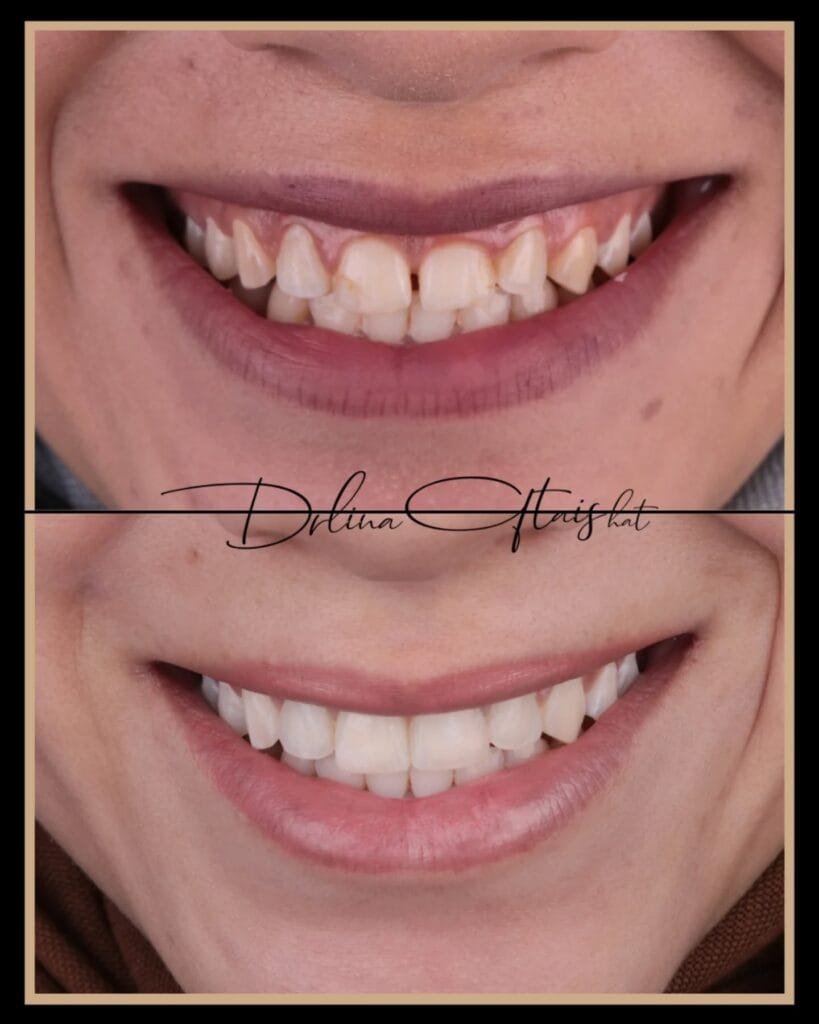
Gum inflammation, commonly known as gingivitis, is an early and common form of gum disease that develops when plaque builds up around the teeth and irritates the gum tissue. It often causes redness, swelling, tenderness, and bleeding during brushing or flossing, and early care can help reverse the condition before it progresses into a more serious gum problem. Because healthy gums are essential for supporting the teeth, understanding the causes of inflammation and the right treatment options is an important step toward protecting long-term oral health.
Common Causes
The most common cause of gum inflammation is the accumulation of bacterial plaque along the gumline, especially when daily brushing and flossing are not done effectively. When plaque remains on the teeth, it can harden into tartar, which makes cleaning more difficult and increases irritation in the surrounding gum tissue. Other factors such as smoking, hormonal changes, certain medications, and some medical conditions can also increase the risk of developing gingivitis.
Symptoms and Early Signs
Inflamed gums may appear redder than normal, swollen, soft, or tender, and many patients notice bleeding while brushing, flossing, or eating certain foods. Persistent bad breath can also be a warning sign, particularly when inflammation is linked to plaque buildup near the gums. One of the challenges with gingivitis is that it may begin mildly, which causes many people to delay treatment until the irritation becomes more noticeable.
Treatment Options
Treatment usually begins with a professional dental cleaning to remove plaque and tartar from the teeth and around the gumline. Depending on the condition of the gums, the dentist may recommend scaling, improved oral hygiene techniques, and supportive home-care products to reduce inflammation and control bacterial buildup. Early treatment is important because gingivitis can often be improved or reversed, while untreated gum inflammation may progress to periodontitis and damage the tissues that support the teeth.
Prevention and Long-Term Care
Preventing gum inflammation depends on consistent daily oral care, including brushing twice a day, cleaning between the teeth, and attending regular dental checkups and cleanings. Avoiding tobacco and addressing early symptoms quickly can also lower the chance of persistent or recurrent gum problems. Anyone who notices ongoing bleeding, swelling, or bad breath should seek a dental evaluation rather than depending only on short-term home remedies.
Take Control of Your Oral Health Today
Don’t wait until occasional bleeding turns into permanent tooth loss, as early intervention is the key to maintaining a strong smile. If you are experiencing any signs of gum inflammation, our dedicated team is here to provide effective and personalized treatment.
At Dr. Lina Qtaishat Clinic, patients can receive personalized assessment and treatment plans designed to improve gum health and prevent future complications.
Click here to book your consultation today!


